What Causes Frequent Power Trips In Wollongong Homes?
It usually happens without warning. You’re running a few appliances, the lights are on and suddenly everything cuts out. After resetting the switchboard, the power returns, only to trip again later. For many homeowners, this becomes a frustrating pattern that’s easy to dismiss as a minor inconvenience, but repeated power trips are often a sign that something within the electrical system needs attention.
In homes across the Wollongong area, a combination of older wiring, modern appliance use and coastal conditions can all contribute to this issue. Understanding what’s behind frequent power trips can help you respond appropriately and avoid ongoing disruptions. That’s where an electrician in Wollongong comes in.
Why Safety Switches Trip in the First Place
A safety switch is designed to cut power when it detects an imbalance in the electrical current. This typically happens when electricity is leaking somewhere it shouldn’t, which can present a risk if left unchecked.
Common reasons a safety switch may trip include:
- Electrical current leaking due to damaged wiring
- Moisture entering power points or circuits
- Faulty appliances causing irregular current flow
- Wear & tear in older electrical systems
The purpose of the safety switch is to interrupt power quickly when these conditions occur. If it trips occasionally, it may be reacting to a one-off issue, but frequent tripping suggests an ongoing problem that should not be ignored.
Understanding the Difference Between Circuit Breakers & Safety Switches
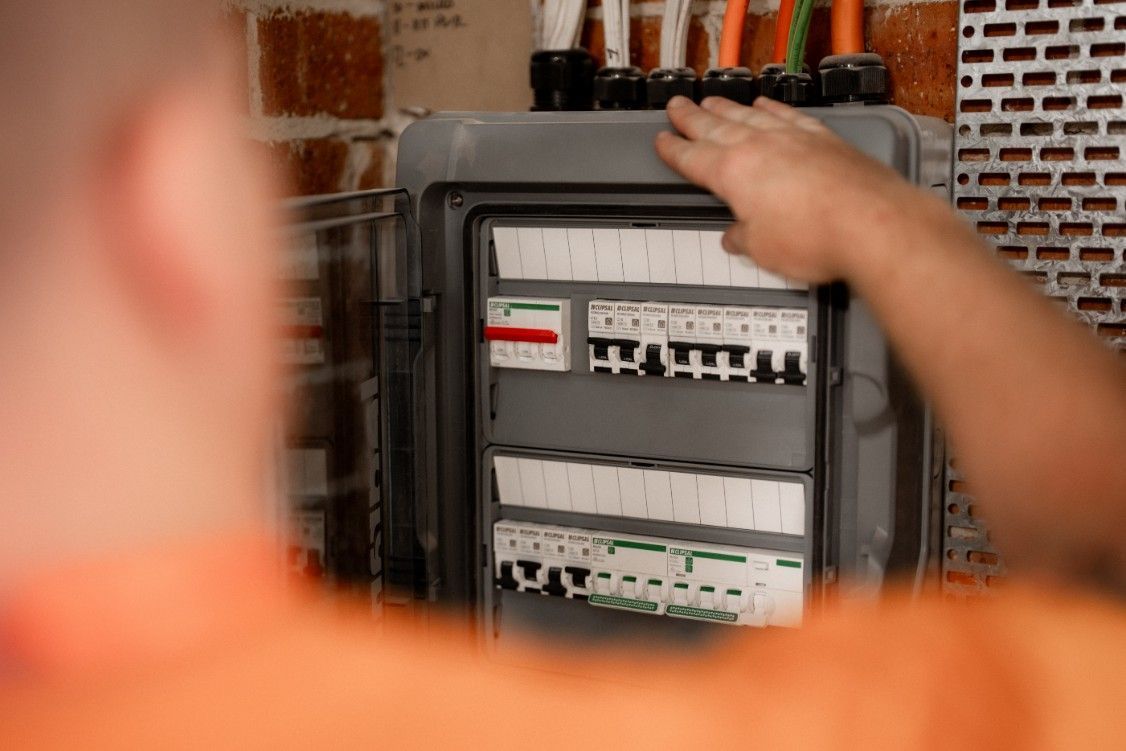
Although they are located in the same switchboard, circuit breakers and safety switches serve different functions. Knowing how each one operates can help identify what type of issue you may be dealing with.
A circuit breaker is designed to protect wiring from overload. It trips when too much electrical current flows through a circuit.
A safety switch, on the other hand, monitors the flow of electricity and disconnects power when it detects a fault, such as leakage.
Key differences include:
- Circuit breakers respond to overload & short circuits
- Safety switches respond to electrical leakage or imbalance
- Breakers protect the system, while safety switches focus on reducing risk to people
- A tripped breaker may indicate high usage, while a tripped safety switch may indicate a fault
Recognising which component has tripped can provide useful insight into the underlying cause.
Overloaded Circuits From Modern Appliance Use
Many homes now rely on more appliances than they were originally designed to handle. Kitchen upgrades, home offices and entertainment systems can all place additional demand on existing circuits.
Overloading occurs when too many devices draw power from the same circuit at once. This can lead to:
- Circuit breakers tripping when multiple appliances run together
- Power interruptions during peak usage times
- Increased strain on wiring that was not designed for higher loads
Common contributors include:
- Kettles, microwaves & toasters operating simultaneously
- Air conditioners or heaters running alongside other appliances
- Multiple devices connected through power boards
Reducing the number of appliances on a single circuit can sometimes prevent repeated trips, but ongoing issues may indicate that the system requires further assessment.
The Impact of Older Wiring in Wollongong Homes
Many properties in Wollongong were built decades ago, and while they may have been updated over time, some electrical systems still reflect older standards.
Older wiring can contribute to frequent power trips due to:
- Insulation that has deteriorated over time
- Connections that have loosened with age
- Limited capacity compared to modern electrical demands
In some cases, wiring may still function but struggle to handle consistent loads, leading to intermittent tripping. This is particularly noticeable when newer appliances are introduced into older homes.
How Coastal Conditions Can Affect Electrical Systems
Wollongong’s coastal environment brings unique challenges that can influence electrical performance. Salt in the air, combined with humidity, can gradually affect exposed components.
Over time, these conditions may lead to:
- Corrosion of outdoor electrical fittings
- Moisture entering switchboards or external outlets
- Reduced reliability of connections due to environmental exposure
Even well-sealed systems can be affected over long periods, especially if they are located near the coast or exposed to weather. These environmental factors can contribute to faults that cause repeated power trips.
Faulty Appliances as a Common Trigger
Sometimes the issue isn’t with the wiring itself, but with a specific appliance connected to the system. Faulty appliances can cause irregular electrical flow, which may trigger a safety switch.
Signs an appliance may be involved include:
- The safety switch trips when a particular device is used
- Power interruptions occur shortly after plugging something in
- Certain appliances stop working properly after a trip
Common culprits can include older whitegoods, damaged extension leads or devices exposed to moisture. Identifying and disconnecting the suspected appliance can help narrow down the cause.
Moisture & Water Exposure Around Electrical Points
Water exposure is another frequent contributor to electrical faults. Even small amounts of moisture can interfere with circuits and lead to repeated tripping.
This can occur through:
- Leaks in roofs or walls allowing water into wiring areas
- Outdoor power points exposed to rain
- Condensation forming in humid conditions
When moisture is present, safety switches may trip more frequently to interrupt the flow of electricity. Drying out affected areas may help temporarily, but recurring issues often point to a need for further inspection.
When Repeated Power Trips Should Be Investigated
Occasional tripping may not always indicate a serious problem, but repeated or consistent interruptions should be taken as a sign that something is not functioning as expected.
Situations that may require further attention include:
- Power trips occurring multiple times in a short period
- Safety switches that will not reset
- Tripping that happens without any clear change in appliance use
- Electrical components showing signs of wear or damage
Ignoring these signs can lead to ongoing inconvenience and potential risks. Taking note of when and how often trips occur can provide useful information when seeking assistance.
Get in Touch
Frequent power trips in Wollongong homes can be influenced by a mix of older electrical systems, modern appliance use and coastal environmental conditions. Identifying the cause early can help reduce disruptions and support safer day-to-day use of electricity.
At John McEwan Electrical, we assist homeowners dealing with ongoing electrical issues, including repeated power trips and switchboard concerns. If you’re searching for an electrician in Wollongong, you can contact us today to organise support.
Exposed Bulb Pendant Lighting: What To Know Before You Install, From An Electrician In The Illawarra