Where Do Electrical Defects Most Commonly Occur In Wollongong Homes?
Electrical defects are one of those problems that often go unnoticed until they cause a more serious issue. Unlike a leaking tap or a cracked wall, many electrical faults are not visible and do not announce themselves clearly until they result in a power outage, a tripped circuit breaker or, in more serious cases, a fire or electric shock. For homeowners in Wollongong, understanding where defects are most likely to develop and what causes them is the first step toward keeping a property safe and compliant. Engaging a qualified electrician in Wollongong to inspect and address these issues is the most reliable way to manage electrical risk in any home.
Ageing Switchboards
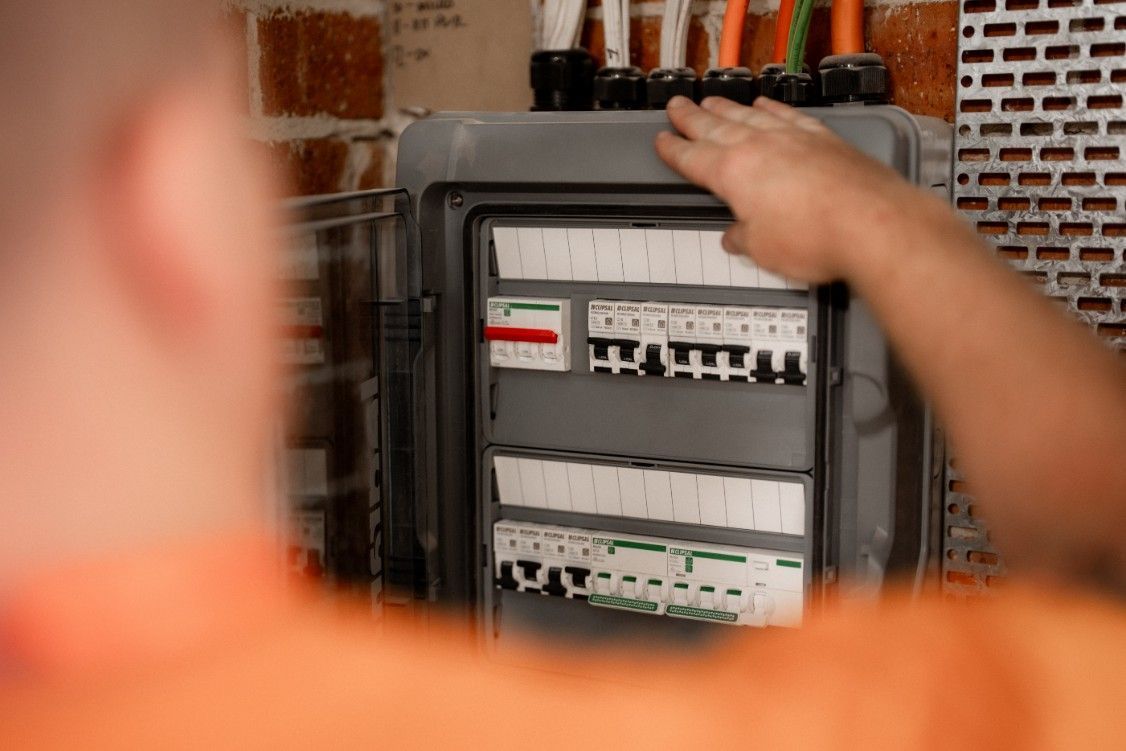
The switchboard is the central point of a home's electrical system, and it is one of the most common locations for defects in older Wollongong properties. Many homes built before the 1990s still have original switchboards fitted with ceramic fuses rather than modern circuit breakers and safety switches. These older systems were not designed to handle the electrical loads that contemporary households place on them, and they lack the protection that modern switchboards provide.
Common problems with ageing switchboards include overheating, loose connections, corroded components and the absence of residual current devices (RCDs), which are now required under Australian Standards to protect against electric shock. A switchboard that is undersized, outdated or showing signs of wear should be assessed by a licensed electrical contractor in Wollongong promptly.
Old or Deteriorating Wiring
Wiring has a finite lifespan, and in Wollongong's older housing stock, deteriorating wiring is a common source of electrical defects. Homes built in the 1960s and 1970s may still contain rubber-sheathed or cloth-covered wiring that has become brittle, cracked or damaged over decades of use. In some cases, aluminium wiring installed during periods when copper was less available may also be present, which carries specific risks at connection points.
Wiring that has degraded can cause intermittent faults, overheating at connection points and, in more serious cases, arcing that can ignite surrounding materials. This type of damage is typically hidden within wall cavities and roof spaces, which is why a professional inspection by an electrician in Wollongong is the only reliable way to identify it.
Overloaded Circuits
Modern households use significantly more electrical equipment than homes were designed for even twenty years ago. Multiple large appliances, EV chargers, home offices, entertainment systems and air conditioning units all draw substantial loads from circuits that may not have been designed to handle them.
When a circuit carries more current than it is rated for, the wiring heats up. Over time, repeated overloading accelerates the deterioration of insulation and increases the risk of failure. Signs of overloaded circuits include frequently tripping breakers, flickering lights when appliances start up and warm or discoloured power points or switchboard components. An electrical contractor in Wollongong can assess whether a home's circuit capacity is adequate for current usage and recommend any necessary upgrades.
Faulty Power Points and Light Switches
Power points and light switches are among the most used components in any home, and they are a common location for defects that develop gradually over time. Loose connections at the back of a power point can cause arcing, which produces heat and can damage surrounding materials. Switches and power points that have been improperly installed, modified by unlicensed individuals or simply worn out through years of use can present a range of safety risks.
Signs to watch for include power points that feel warm to the touch, switches or points that spark when used, discolouration around the faceplate or any power point that fails intermittently. These are not issues to leave unattended, and replacing or repairing them is a straightforward job for a qualified electrician in Wollongong.
Bathroom and Outdoor Electrical Installations
Moisture and electricity are a dangerous combination, and bathrooms and outdoor areas are locations where electrical defects can have particularly serious consequences. Electrical installations in bathrooms must comply with specific zoning requirements under Australian Standards, which restrict what types of fittings and accessories can be used in proximity to water sources.
Outdoor installations including garden lighting, power points on covered patios, garage wiring and outbuilding connections are all exposed to weather conditions that can accelerate deterioration. Damaged weatherproofing, corroded fittings and non-compliant installations in these areas are a common source of defects in Wollongong homes, particularly in properties that have had outdoor areas added or modified over the years without proper electrical oversight.
DIY and Unlicensed Electrical Work
One of the more significant contributors to electrical defects in residential properties is work that has been carried out by unlicensed individuals. In NSW, electrical work must be performed by a licensed electrician, and a certificate of compliance must be issued upon completion. Work carried out without proper licensing is often non-compliant with Australian Standards, inadequately protected and potentially dangerous.
Common problems arising from unlicensed work include undersized cabling, incorrect circuit protection, improper earthing and connections that are not mechanically sound. When purchasing an older property or assessing one that has had multiple modifications over the years, engaging an electrical contractor in Wollongong to inspect the installation is a practical way to identify any work that may need to be rectified.
Hot Water System Electrical Components
Electric hot water systems contain heating elements, thermostats and wiring that are subject to wear over time. A hot water system that is ageing or poorly maintained can develop faults at the element connections or in the wiring to the unit, particularly in the absence of adequate protection at the switchboard.
Signs of electrical issues with a hot water system include tripping circuit breakers, the system failing to heat water adequately or the presence of visible corrosion around the unit's electrical components. Hot water system electrical work falls within the scope of licensed electrical work and should be assessed and repaired by a qualified electrician.
Talk to an Electrician in Wollongong About Your Home
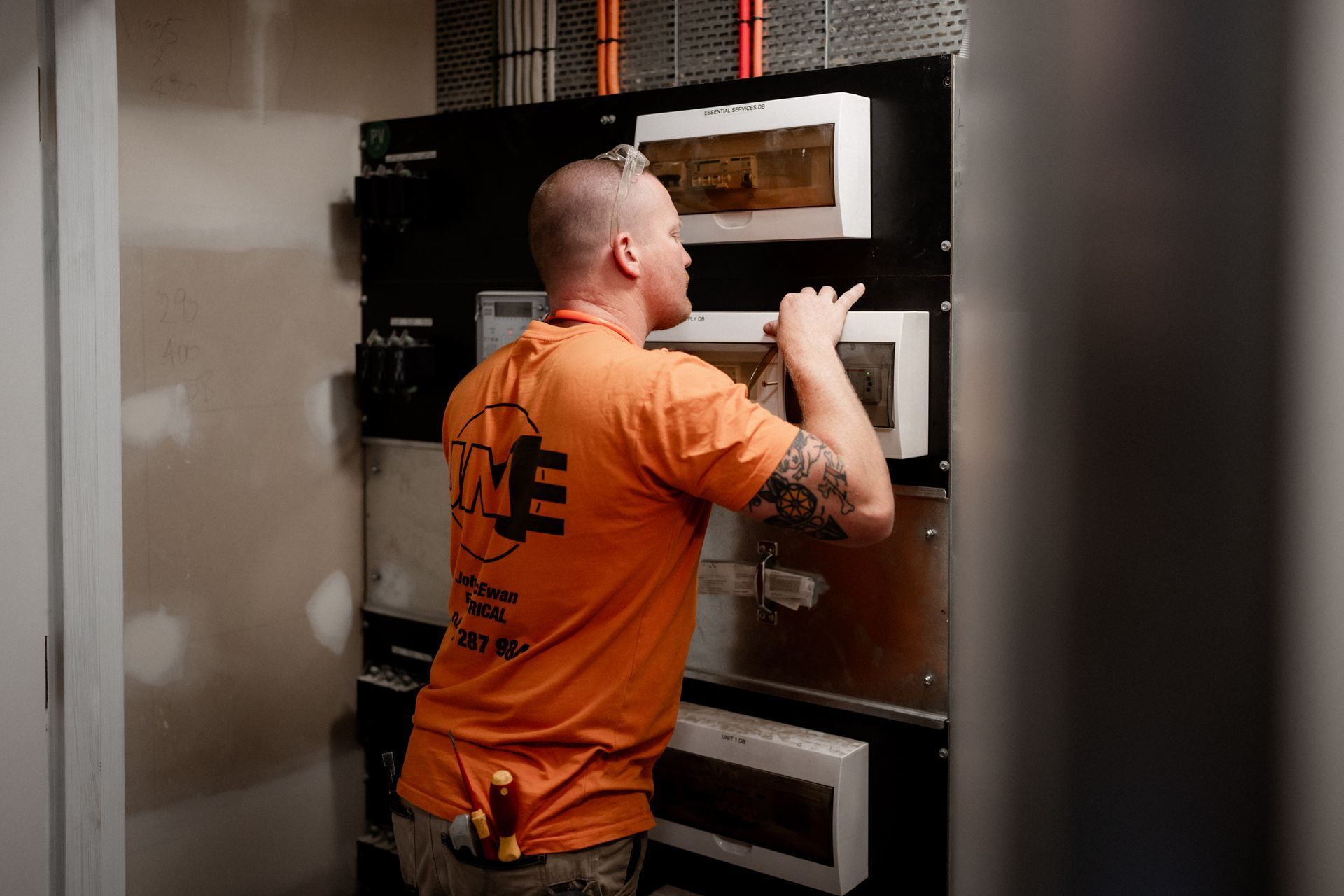
If your home is showing any of the signs outlined in this article, or if it has not had a professional electrical inspection for a number of years, John McEwan Electrical provides thorough residential electrical assessments and repairs across Wollongong and the broader Illawarra region. As an experienced electrical contractor in Wollongong with over 20 years of local experience, our licensed team can identify developing issues and carry out the work needed to keep your home safe and compliant. Get in touch today to arrange an inspection or discuss any concerns about your property's electrical system.