What Are The Warning Signs Of A Faulty Electrical Meter In Dapto?
Your electrical meter quietly does its job in the background, recording consumption, managing the flow of power into your home and giving your energy retailer the data they need to bill you accurately. Most homeowners never give it a second thought until something goes wrong. The problem is that a faulty meter does not always announce itself obviously. The signs can be subtle, easy to dismiss and, if left unaddressed, capable of causing genuine harm including electrical fires, appliance damage and unexplained energy costs. This post walks through the warning signs Dapto homeowners should know and what to do if something does not seem right.
What an Electrical Meter Actually Does
Before looking at what goes wrong, it helps to understand what the meter is doing. An electrical meter measures the amount of electricity flowing into your home from the grid. In most Australian homes, this is now a smart meter that records consumption data digitally and transmits it to your energy retailer, replacing older analogue dial meters.
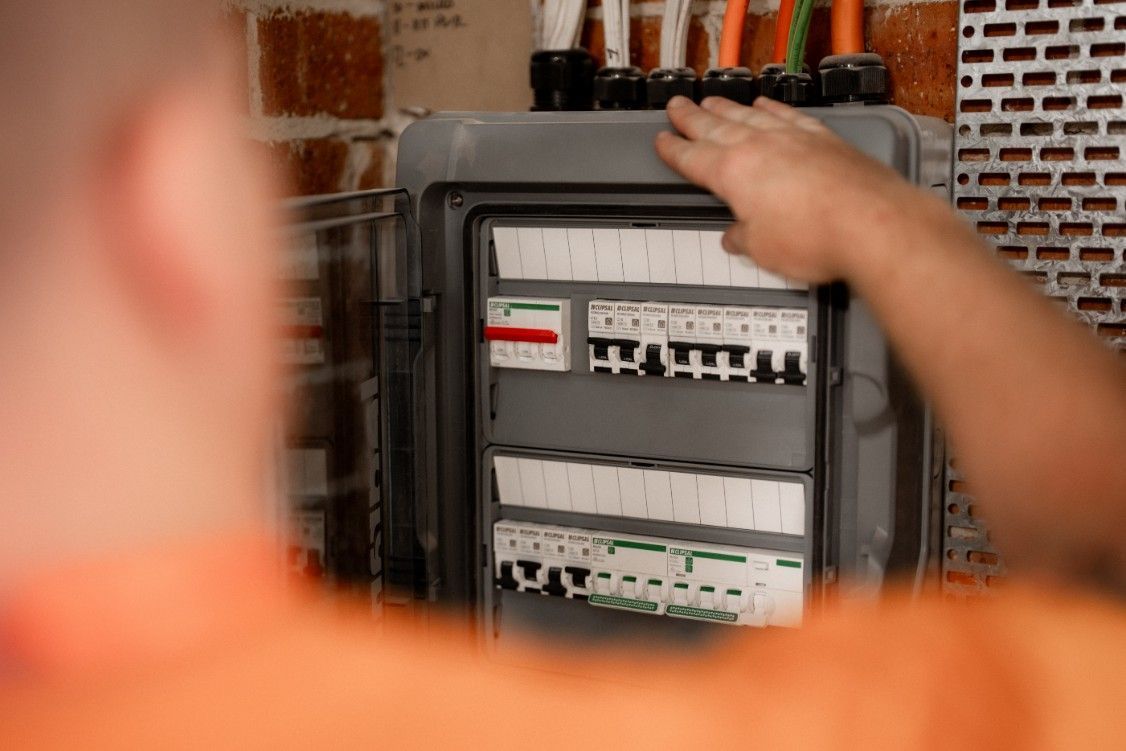
The meter sits at the boundary between your energy retailer's network and your home's internal wiring, housed in a meter box that also typically contains your main switchboard, safety switches and circuit breakers. A fault in the meter affects not just billing accuracy but the reliability and safety of power coming into the home.
Unusual or Unexplained Power Bills
One of the most common early indicators of a meter problem is a power bill that does not reflect your actual usage. A meter that is recording consumption inaccurately, whether running fast, running slow or intermittently failing to record at all, will produce billing data that does not match the household's real patterns.
Signs on your bill that are worth investigating:
- A bill that is significantly higher than the same period in previous years, with no obvious change in usage habits or appliance additions
- Unusually low consumption figures that seem too good to be true, which can indicate the meter is under-reading
- Large fluctuations between billing periods with no clear explanation
- A bill that jumps sharply after a storm, power outage or work done near the meter box
It is worth comparing recent bills before assuming a meter fault. High bills can also reflect tariff changes, new appliances or seasonal shifts. But if consumption figures look genuinely inconsistent with how the household is operating, it is worth having the meter checked.
Sparks, Burning Smells or Scorch Marks Near the Meter Box
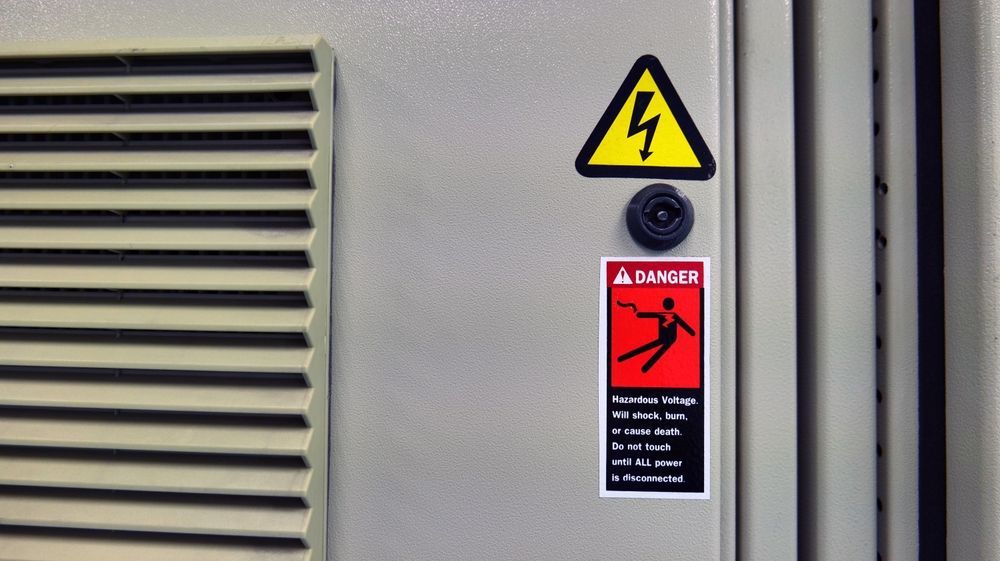
Any visible sign of arcing or heat damage near the meter or meter box should be treated as an urgent concern. Sparks, scorch marks on the meter box casing, a burning smell near the box or discolouration around the meter connections are all signs that something inside the enclosure is generating excessive heat or experiencing electrical arcing.
These signs indicate a potentially serious problem:
- Arcing inside a meter or at its connections generates intense heat that can ignite surrounding materials
- Scorch marks on the inside of a meter box lid suggest an arcing event has already occurred
- A burning plastic smell near the meter box, even without visible marks, warrants immediate investigation
- Any sign of melted wiring or blackened connections is a fire risk that should be assessed without delay
Do not attempt to open the meter box or investigate the meter itself. The components inside are energised and are the responsibility of your energy distributor for the meter itself, and a licensed electrician for the switchboard and internal wiring. Search for an 'electrician near me' and call a professional.
Buzzing, Humming or Clicking Sounds From the Meter Box
Electrical meters operate silently under normal conditions. Any audible noise coming from the meter or meter box, including buzzing, humming, clicking or crackling, points to something operating outside normal parameters.
What different sounds can indicate:
- A persistent buzzing or humming from the meter itself may suggest an issue with the meter's internal components or an incoming power quality problem from the grid
- Clicking sounds that repeat in a pattern can indicate an intermittent connection issue or a safety switch cycling on and off
- Crackling or arcing sounds are the most serious and suggest live arcing is occurring inside the enclosure
- A low hum from the switchboard area rather than the meter itself may relate to a loose connection or a circuit that is under strain
Some noise from a switchboard is normal under heavy load. The distinction is between a faint hum that disappears when major appliances are switched off and a persistent noise that does not change with load conditions.
Frequent Tripping of Safety Switches or Circuit Breakers
Safety switches and circuit breakers are designed to trip in response to a fault condition. An occasional trip after a power surge or when an appliance develops a fault is normal. Switches that trip repeatedly without a clear cause, or that trip across multiple circuits simultaneously, suggest a problem upstream of the switchboard, potentially in the meter or the incoming supply connection.
Patterns worth reporting to an electrician in Dapto or your energy distributor:
- A safety switch that trips regularly without any new appliances, overloaded circuits or identifiable cause
- Multiple circuit breakers tripping at the same time, which can indicate a supply-side issue rather than a problem within the home's wiring
- Switches that trip immediately after being reset, which suggests the fault condition has not cleared
- Tripping that correlates with particular times of day or weather conditions, which may point to a metering or network supply issue
Flickering or Unstable Power Supply
Flickering lights that do not resolve when the bulb is changed, appliances that behave erratically, or a power supply that feels unstable across multiple rooms can all point to a problem with how power is entering the home. This type of symptom is distinct from a single circuit issue and warrants a broader investigation.
- Lights that dim and brighten without any obvious cause, particularly across more than one room simultaneously
- Appliances that reset, restart or behave unpredictably without being switched off
- Sensitive electronics such as computers or televisions that experience interference or shutdown without a power outage occurring
- A feeling of slight electrical shock from metal appliances or taps, which can indicate a neutral fault or earthing problem
These symptoms can have causes within the home's wiring as well as at the meter, but a supply-side fault at the meter or incoming connection is a possibility that should be investigated by a licensed professional.
Physical Damage to the Meter or Meter Box
The meter box is exposed to the elements in most Australian homes, and physical damage to the enclosure, the meter itself or the connections going into it can create safety risks that are separate from any electrical fault. Storm damage, impact from vehicles or garden equipment, water ingress and corrosion all compromise the integrity of the installation.
Physical conditions worth reporting:
- Visible water inside the meter box, moisture staining on internal components or rust on the box itself
- A meter box door that does not close or seal properly, exposing internal components to weather
- Visible damage to the conduit or cabling entering or leaving the meter box
- Corrosion on terminals or connections inside the switchboard
Water and electricity in close proximity inside a meter box is a genuine fire and electrocution risk. If the box is compromised after storm damage, have it assessed before the next significant weather event.
What to Do If You Suspect a Meter Fault
The meter itself is the responsibility of your energy distributor, not your energy retailer. Reporting a suspected fault goes to the distributor, which in the Illawarra region is Endeavour Energy. For any concerns about the switchboard, internal wiring or the meter box enclosure, a licensed electrician is the right call.
Steps to take if you notice any of the warning signs above:
- Do not attempt to open the meter box or touch the meter, as components inside are energised and potentially dangerous
- If you can smell burning or see sparks near the meter box, treat it as an emergency and call 000 if there is an immediate fire risk
- Contact your energy distributor to report a suspected meter fault and request an inspection
- For concerns about the switchboard, safety switches or internal wiring, contact a licensed electrician Dapto homeowners can rely on to assess and advise
Talk to John McEwan Electrical About Electrical Concerns in Your Home
We at John McEwan Electrical work with homeowners across Dapto and the broader Illawarra to assess and resolve electrical issues in residential properties. If you have noticed any of the warning signs covered in this post, contact our team to arrange an inspection. We are locally based, fully licensed and experienced across residential electrical work of all types.
Exposed Bulb Pendant Lighting: What To Know Before You Install, From An Electrician In The Illawarra