How To Tell If Storm Damage Requires An Emergency Electrician In Illawarra
Storms can pass quickly, but the impact they leave behind isn’t always obvious. Flickering lights, tripped circuits or a sudden loss of power can all point to deeper electrical issues that may not be safe to ignore. For homeowners, knowing when to act and when to monitor the situation can make a significant difference to both safety and property condition.
Electrical systems are particularly vulnerable during severe weather. Heavy rain, strong winds and lightning can all affect wiring, switchboards and connected appliances in ways that aren’t always visible at first glance. Understanding the signs of damage, and when to call an emergency electrician in Illawarra, helps reduce risk and supports a quicker return to normal conditions.
Storm Conditions That Commonly Affect Electrical Systems
Electrical systems can be impacted in several ways during a storm, depending on the type and intensity of weather conditions. Even a short storm can expose vulnerabilities in older installations or systems already under strain.
Common causes of storm-related electrical issues include:
- Heavy rainfall entering roof cavities or wall spaces
- Fallen branches or debris damaging external wiring
- Lightning strikes causing sudden voltage surges
- Flooding affecting outdoor power points or underground cabling
Each of these situations can disrupt the flow of electricity or compromise components that are designed to remain dry and stable. When these elements are exposed to moisture or sudden power changes, faults can develop quickly.
Signs That Water May Have Affected Your Electrical System
Water and electricity do not mix safely, and even small amounts of moisture can lead to serious problems. After a storm, it’s important to stay alert to changes that may indicate water has entered your electrical system.
Indicators of water-related electrical damage include:
- Power points that appear damp, discoloured or warm to touch
- A persistent burning or unusual smell near outlets or switchboards
- Circuit breakers that trip repeatedly without a clear cause
- Lights that flicker or fail to turn on after rainfall
Water can travel through wall cavities and ceiling spaces, meaning the source of the issue may not be immediately visible. In these cases, isolating the affected area and seeking advice from an electrician near me is a practical next step.
When a Power Outage May Be More Than a Network Issue
Not all power outages are caused by widespread network faults. While storms often lead to broader supply interruptions, some outages are localised and tied to a specific property.
It may point to a property-level issue if:
- Neighbouring homes still have power while yours does not
- Only certain areas of your home are affected
- Your switchboard has tripped & will not reset
- There are visible signs of damage near your electrical connections
Understanding this distinction can help guide your response. If the issue appears isolated, contacting an emergency electrician in Illawarra may be necessary rather than waiting for network restoration.
Visible Damage That Should Not Be Ignored
After a storm, conducting a visual check from a safe distance can help identify obvious risks. Some forms of damage are clear indicators that electrical components may no longer be safe to use.
Look out for:
- Exposed or hanging wires around the exterior of your property
- Burn marks near switchboards, outlets or fuse boxes
- Damaged meter boxes or water pooling near electrical fittings
- Fallen power lines or debris in contact with cables
These situations carry a higher level of risk and should not be handled without proper precautions. Keeping a safe distance and arranging assistance is the safest approach.
Unusual Behaviour in Appliances & Lighting
Storm-related electrical issues don’t always present as complete failures. Sometimes, subtle changes in how appliances and lighting behave can signal underlying problems.
You may notice:
- Appliances turning off unexpectedly or not powering on
- Lights dimming or fluctuating without reason
- Electrical devices making unusual sounds
- Chargers or small electronics failing after a storm
These changes can be linked to voltage fluctuations or internal damage caused by surges. Disconnecting affected appliances and seeking guidance can help prevent further complications.
The Role of Switchboards During Storm Damage
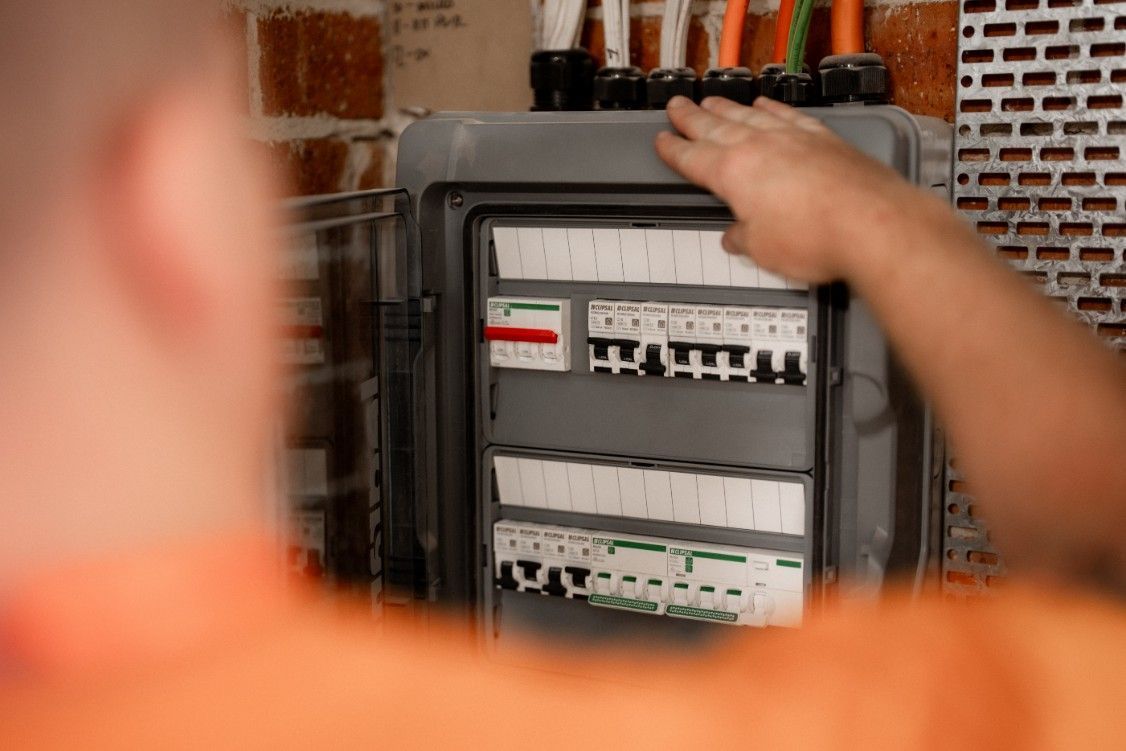
Switchboards are designed to protect your property by cutting off power when faults are detected. After a storm, they often provide the first sign that something isn’t right.
Signs your switchboard may have been affected include:
- Safety switches that will not reset
- Frequent tripping without increased electrical load
- A clicking or buzzing sound coming from the board
- Signs of moisture inside the enclosure
Switchboards are sensitive to both moisture and electrical surges. If they are not functioning as expected, it may indicate a deeper issue within the system that requires attention.
Why Timing Matters in Emergency Electrical Situations
Delaying action after storm damage can increase the likelihood of further complications. Electrical faults may worsen over time, particularly if moisture remains present or damaged components continue to be used.
Situations where prompt action is recommended include:
- Loss of power combined with signs of damage
- Evidence of water exposure near electrical systems
- Persistent tripping of safety switches
- Burning smells or heat coming from outlets or wiring
In these scenarios, acting early can reduce the chance of additional damage to appliances or infrastructure. It also helps address potential safety concerns before they escalate.
What to Do Before Contacting an Emergency Electrician
While waiting for assistance, there are a few steps that can be taken to reduce immediate risk. These actions focus on limiting exposure rather than attempting repairs.
Consider the following:
- Turn off power at the main switch if it is safe to do so
- Avoid using affected outlets or appliances
- Keep clear of any exposed wiring or wet electrical areas
- Take note of any visible damage to describe when seeking help
These measures can help create a safer environment while arrangements are made for further inspection.
Get in Touch
Storms in the Illawarra region can bring sudden and unpredictable electrical issues, especially with heavy rain, coastal winds and lightning activity affecting homes at different times of the year. Knowing when to act can make a real difference in reducing risk and restoring safe conditions.
At John McEwan Electrical, we provide 24/7 emergency electrical services in the Illawarra region, helping homeowners respond to urgent electrical concerns when they arise. If you’re dealing with storm-related damage and searching for an ‘electrician near me’, you can reach out to us through our website to arrange support.
Exposed Bulb Pendant Lighting: What To Know Before You Install, From An Electrician In The Illawarra