Received An Electrical Defect Notice In The Illawarra? What It Means And What To Do Next
Receiving an electrical defect notice means an issue has been identified with electrical equipment or infrastructure associated with your property and needs attention. Don't ignore the notice, but don't panic either. The important steps are to identify what has been defected, understand how urgently it needs rectification and arrange the right accredited electrical contractor to complete the required work.
For Illawarra homeowners, landlords and property managers, the notice itself should be your starting point. It will help identify the defect and the organisation that issued it, allowing you to arrange the appropriate inspection and rectification work.
What Is An Electrical Defect Notice And Who Issues It?
An electrical defect notice NSW property owners receive is a formal notification that an electrical installation, connection or piece of associated infrastructure has been identified as defective or requiring rectification. Depending on the property and electricity network area, the notice may involve the network distributor or another authorised party. Across parts of the Illawarra, homeowners may encounter a defect notice from Endeavour Energy, while properties elsewhere can fall within a different distribution network.
The notice should provide information about the identified defect and what needs to happen next. Keep the document or sticker rather than removing or discarding it, and provide the details to the electrical contractor you contact. Some defects relate to parts of the electrical installation that an ordinary electrician cannot perform network-related work on. That is where an appropriately authorised Level 2 Accredited Service Provider becomes relevant.
If you're unfamiliar with the different types of work involved,
the complete guide to Level 2 electrical services provides additional background. For a defect notice, however, the immediate priority is identifying and rectifying the specific issue listed on your notice.
How Urgent Is An Electrical Defect Notice?
The urgency depends on the defect itself and the instructions provided with the notice. A problem presenting an immediate electrical safety concern needs much faster attention than a non-urgent defect with a longer rectification process.
Don't assume you have a standard number of days to act. Requirements can differ according to the distributor, defect classification and circumstances. Read the notice carefully and contact an appropriately accredited contractor as soon as possible. Even where the issue isn't classified as immediately dangerous, delaying the first call can leave less time to arrange an inspection, obtain any necessary materials and complete the rectification. If the notice indicates an immediate hazard, loss of supply or another urgent electrical safety issue, treat it accordingly. Don't attempt to inspect, repair or interfere with service equipment yourself.
The practical rule is straightforward: use the timeframe and instructions on your actual notice, rather than relying on a deadline someone else received for a different defect.
What Are The Most Common Electrical Defects Issued In The Illawarra?
Defect notices can relate to different parts of the electrical supply and installation, so two neighbouring properties can receive notices for completely different reasons.
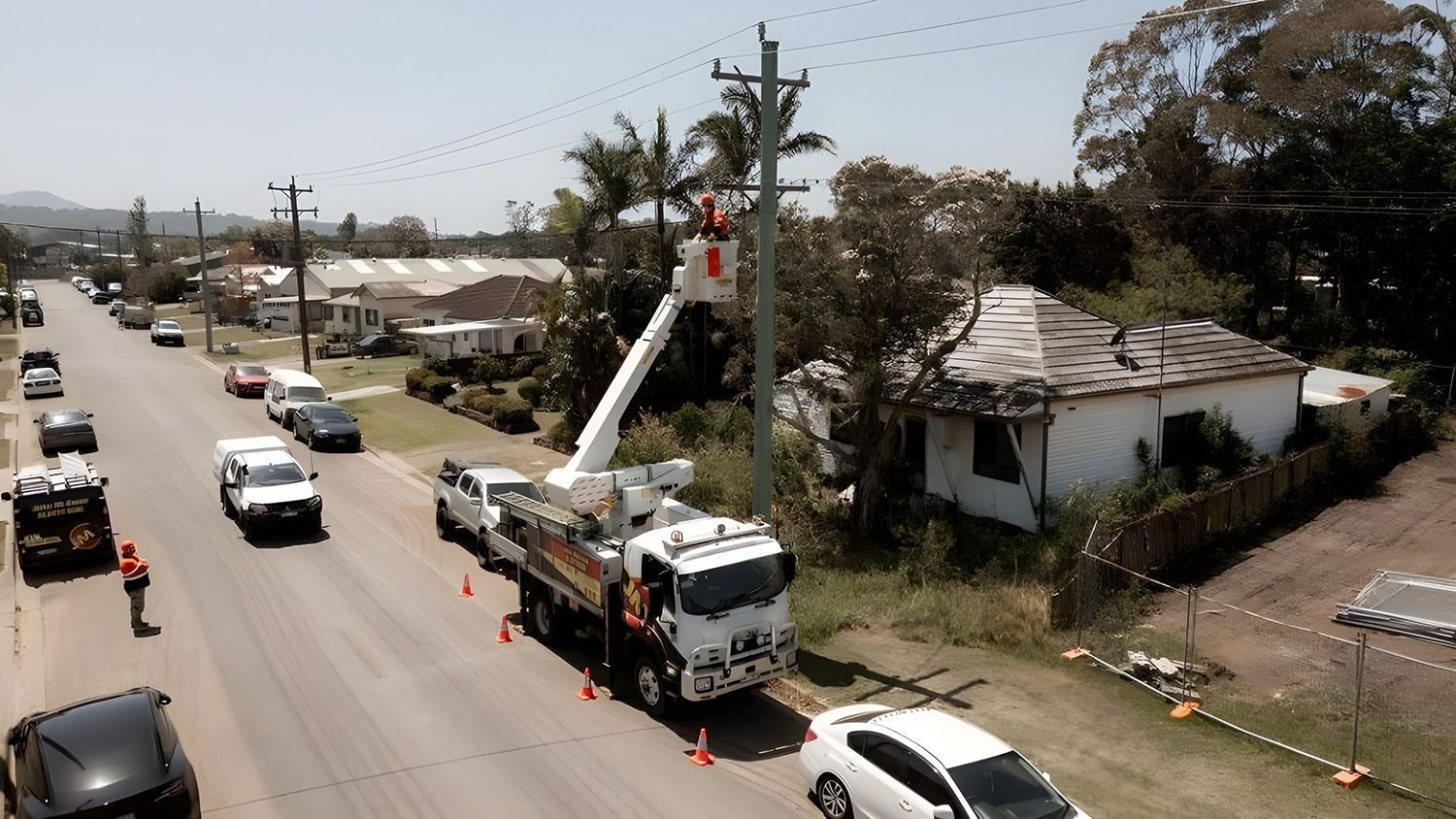
One issue homeowners may encounter is a private power pole defect. Private poles and associated service equipment can deteriorate over time, suffer physical damage or develop issues that require professional attention.
Other notices may relate to service lines, connection equipment, metering arrangements, switchboards or components associated with the property's connection to the electricity network. The exact terminology will depend on what has been identified.
Older properties and installations that have been altered over time can also present different issues from newer homes. However, age alone doesn't tell you what work is required.
Example: A homeowner receives a notice relating to a deteriorated private power pole. The solution isn't simply to book a general electrical repair and assume the notice has been dealt with. The pole and associated network connection need to be assessed, the required rectification completed by someone authorised for that category of work, and the necessary process followed so the defect can be cleared.
This is why it's useful to send or show the contractor the actual defect notice when you enquire. It provides much more useful information than simply saying, "I've been told something electrical needs fixing."
Why Can Only An Accredited Service Provider Clear The Notice?
Where the defect involves contestable work associated with the electricity network, the contractor needs the appropriate accreditation for the work being performed.
A Level 2 ASP is authorised for particular categories of service work that go beyond the scope of ordinary electrical contracting. Depending on the defect, this can include work associated with overhead or underground services, connections and disconnections, metering or other network-related equipment.
If your notice involves this type of work, you need a suitably authorised level 2 electrician in the Illawarra rather than simply choosing an electrician who isn't accredited for the required category.
The distinction matters because repairing the visible problem is only part of the job. The work also needs to follow the applicable network and notification requirements so the defect can be properly resolved.
When contacting a contractor, tell them you have received a defect notice and explain who issued it. Providing a photo or copy of the notice can help establish what category of work is likely to be required before the site visit.
What Does Rectification Cost And Who Pays?
There is no reliable fixed price for rectifying an electrical defect notice without knowing what has been identified.
A relatively contained issue may involve very different work from replacing deteriorated private electrical infrastructure or carrying out more substantial service alterations. Cost can be influenced by the type of defect, access, materials, condition of existing equipment and the extent of work needed to rectify the issue.
Ask for a quote based on the actual defect rather than a generic "defect notice price". The contractor may need to inspect the site before confirming the full scope.
Responsibility for payment can also depend on the circumstances. For an owner-occupied home, work involving privately owned electrical infrastructure will commonly be something the owner needs to address. Rental properties can involve additional questions about ownership and responsibility, so landlords, tenants and property managers should confirm their obligations rather than assuming who must pay.
If the issue involves equipment that may belong to the network distributor rather than the property owner, establish ownership before authorising work.
What Should You Do Next After Receiving A Defect Notice?
Start by reading the notice in full. Identify who issued it, what equipment or defect it refers to and whether it specifies an urgent response.
Next, contact a Level 2 ASP and provide a copy or clear photo of the notice. Mention any relevant symptoms or circumstances, such as visible damage to a private pole, supply problems or recent work at the property, but don't attempt your own inspection of live electrical equipment.
The contractor can then assess the defect, explain what needs rectifying and provide guidance on the next steps. Where required, the completed work can then proceed through the appropriate notification or network process.
Most importantly, don't put the notice aside because the electricity still appears to be working. A defect notice has been issued because something requires attention, and leaving it until the deadline approaches can make organising the work unnecessarily stressful.
John McEwan Electrical provides accredited electrical services across the Illawarra and can assess defect notices involving applicable Level 2 ASP work. Contact the team with a copy of your notice so they can identify what has been defected, explain the required rectification and help you take the appropriate next step.
Frequently Asked Questions
Can I ignore an electrical defect notice if my power is still working?
No. Continued electricity supply doesn't mean the identified defect can be ignored. Read the notice, check its urgency and arrange assessment by an appropriately accredited contractor.
Does an electrical defect notice mean my power will be disconnected?
Not automatically. What happens next depends on the defect, its urgency, the issuing organisation and whether the required rectification is completed. Follow the instructions and timeframe stated on your particular notice.
Can a normal electrician repair a private power pole defect?
It depends on the work required. Where the defect involves network-related contestable work, the contractor needs the appropriate ASP accreditation for that category of work.
Who pays for an electrical defect notice on a rental property?
Payment responsibility depends on what has been defected, who owns the relevant equipment and the circumstances of the tenancy. Landlords and property managers should establish the issue and confirm their obligations rather than relying on a blanket rule.
What should I send the electrician when I receive a defect notice?
Send a clear photo or copy showing the defect details and issuing organisation. This can help the contractor understand what has been identified and determine what type of accredited work may be required.
How quickly should I act on a defect notice?
Act promptly, particularly where the notice identifies an urgent electrical safety issue. Rather than relying on a general deadline, follow the timeframe and instructions on the notice you received.