The Role Of An Electrician In Home Renovations – Lighting, Power Points, Data Cabling & More
Renovating a home brings excitement, momentum and the promise of a space that works better than the one you started with. During this process, it’s common to focus on the visual elements first, yet the unseen work behind the walls often has the greatest impact on comfort, safety and long-term usability. Electrical planning sits at the centre of this, shaping how every room functions once the dust settles. Whether you’re updating a single room or transforming an entire property, a licensed electrician in Shellharbour plays an essential role.
Renovations create opportunities to improve wiring, increase capacity, enhance lighting design and integrate technology that supports modern living. Understanding how an electrician contributes to these upgrades helps you make informed decisions throughout the process.
1. Assessing the Existing Electrical Condition Before Renovation Begins
Every successful renovation starts with understanding what’s already in place. Electrical systems age with the home and may not support newer appliances, modern lighting or additional power points without careful evaluation. An electrician reviews the existing infrastructure to determine whether upgrades are necessary before any new work begins.
This early assessment often includes:
- Inspecting the condition & safety of wiring
- Checking circuit capacity for upcoming additions
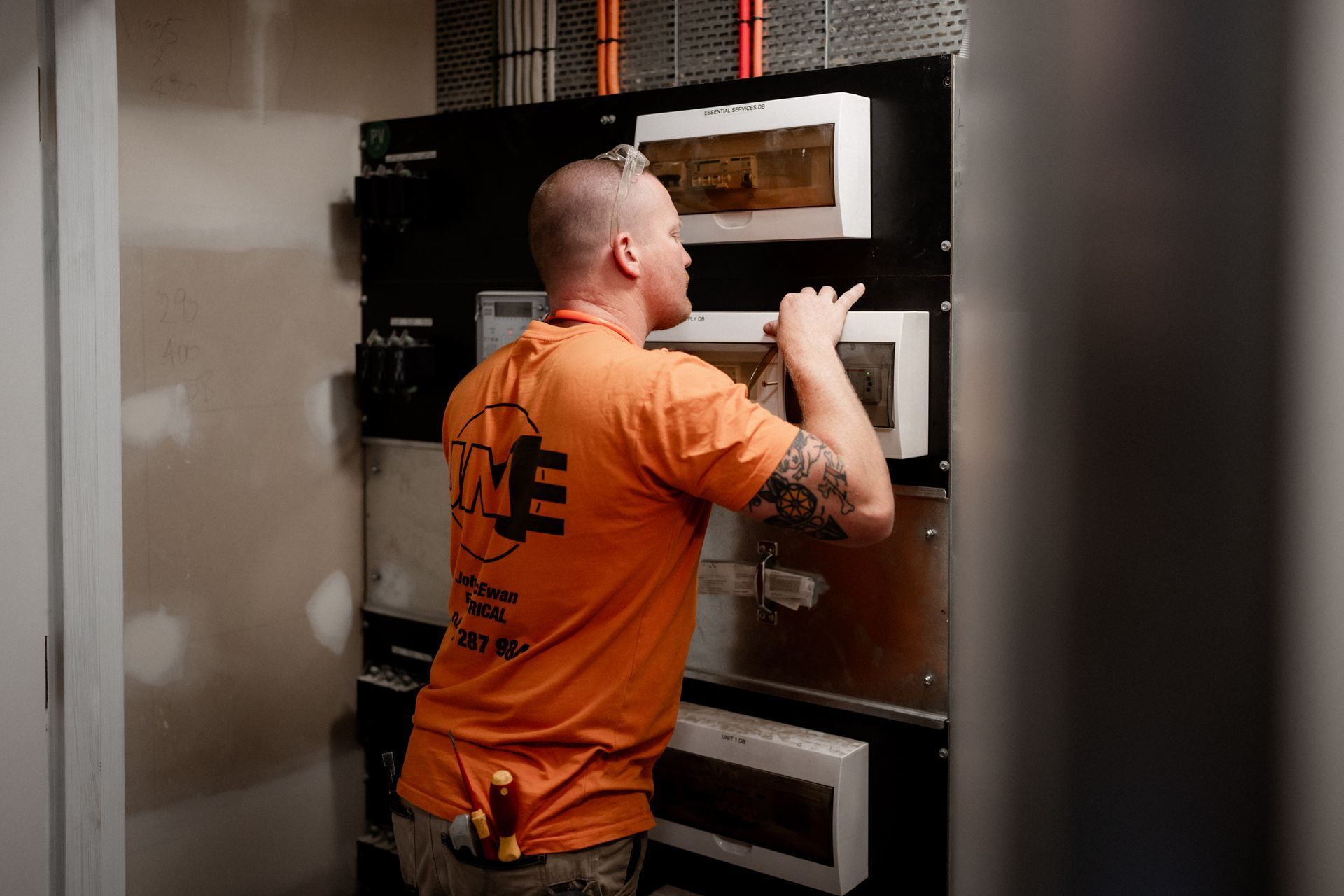
- Reviewing the switchboard for available load
- Identifying old fittings that no longer meet current standards
This stage prevents unexpected issues during construction and ensures all new electrical wiring works safely within the home’s overall system.
2. Planning Power Point Locations to Suit New Layouts
Renovations are the perfect time to rethink how power is used throughout the home. Once walls move, furniture shifts or rooms change purpose, existing outlets often end up in impractical places. An electrician in Shellharbour helps map out new power point locations based on how each space will function.
Considerations often include:
- Ensuring each room has enough outlets for everyday appliances
- Reducing reliance on power boards & extension leads
- Selecting modern outlet styles with features like USB charging
- Positioning outlets at heights & distances that suit the new layout
Thoughtful planning early in the renovation avoids frustration later and supports a safer, more usable home.
3. Designing Lighting That Enhances Both Function & Style
Lighting is one of the most effective ways to transform the feel of a renovated space. A well-planned design blends practicality with atmosphere, ensuring each room functions well day and night. Electricians work with renovators to match lighting choices with the intended use of each area.
Key lighting considerations include:
- The balance between ambient, task & feature lighting
- Placement that minimises shadows & improves visibility
- Energy-efficient fittings suited to the room’s purpose
- The option to integrate dimmers or smart controls
A coordinated lighting plan contributes significantly to the comfort and visual appeal of the finished renovation.
4. Integrating Data Cabling to Improve Connectivity
As homes become more connected, many renovation projects now include structured data cabling. Reliable access to internet, streaming services and smart home systems often requires more than a modem tucked in the corner. Electricians can install dedicated cabling that delivers strong, consistent performance throughout the property.
Data cabling work during renovations typically involves:
- Running Ethernet cables through walls & ceiling spaces
- Adding data points in offices, living spaces or media rooms
- Positioning equipment to reduce interference & improve speed
- Planning cable routes before walls are sealed
Installing data cabling while access is open is far simpler than retrofitting it after the renovation is complete.
5. Ensuring All Electrical Work Meets Current Compliance Standards
Electrical work must comply with Australian Standards, and renovations often reveal older wiring or fittings that no longer meet requirements. A licensed electrician ensures all new installations follow these rules and that any outdated components are replaced safely.
Compliance responsibilities may include:
- Installing safety switches on required circuits
- Ensuring wiring methods follow correct procedures
- Separating electrical & low-voltage cabling
- Issuing documentation where needed for completed work
Meeting compliance standards keeps the renovation legally and structurally sound, while also protecting the home from avoidable risks.
6. Upgrading Electrical Capacity to Support Modern Living
Renovated homes often include new appliances, more lighting and additional power needs. Older circuits may struggle with this increased load. An electrician can upgrade wiring or switchboards to create a reliable solution that supports everything from kitchen appliances to heating and cooling systems.
Upgrades in this stage may involve:
- Installing new circuits to reduce overload
- Replacing ageing wiring that cannot meet current demands
- Improving switchboard layout & protection
- Preparing the home for future additions or technology
Electrical upgrades ensure the modernised home performs consistently without unnecessary tripping or strain on the system.
7. Coordinating Electrical Work with Other Trades During Construction
Renovations involve many moving parts, and timing is crucial. Electricians in Shellharbour work alongside builders, plasterers, painters, plumbers and other trades to ensure electrical components are installed at the correct stage. Proper coordination prevents delays and maintains a smooth workflow.
Common coordination tasks include:
- Running wiring before walls are lined
- Installing lighting after ceilings are fitted
- Checking access points before cabinetry is installed
- Ensuring all cabling is protected during construction
By working strategically with other trades, the electrical work remains clean, efficient and ready for final testing.
8. Completing Final Testing & Ensuring the Home is Ready for Use
Once renovation work nears completion, the final electrical stage involves testing all installations. This step verifies that everything operates safely, efficiently and as planned. It also gives homeowners confidence that the upgraded systems will perform reliably in everyday use.
Final testing usually covers:
- Functionality checks on lighting & power points
- Testing safety switches & circuit protection
- Reviewing data cabling for performance
- Inspecting fittings for proper installation & compliance
With all components tested and approved, the renovated space becomes ready to enjoy without lingering electrical concerns.
Get in Touch
At John McEwan Electrical, we support homeowners and property professionals through every stage of a renovation, from planning electrical upgrades to installing lighting, power points and data cabling that work seamlessly with the finished design. Homes in the area often include a mix of older wiring and modern additions, which means renovations benefit from careful planning and compliant installation to ensure everything functions as intended.
Contact us to arrange a quote or to speak with us about our electrical services in Shellharbour that support safe, reliable and well-designed renovation work.