Adding Power Points, Lighting Or Data Cabling? Here’s What You Should Know
There comes a point in almost every home when the existing electrical layout stops keeping up with daily life. Perhaps you’ve added new appliances, discovered a room that’s never had quite enough lighting or realised your internet drops out the moment you step away from the modem. Small electrical frustrations often build over time, but the improvements required to fix them can be straightforward when handled properly. An electrician in Shellharbour is here to help.
Before adding power points, upgrading lighting or installing data cabling, it helps to understand what’s involved behind the scenes. These upgrades may seem simple on the surface, yet each one requires planning, safe installation and compliance with Australian electrical standards. With the right approach, they can make your home more functional, more efficient and easier to live in.
This guide explores what homeowners should consider when preparing for new electrical work, why professional support matters and how these improvements can support everyday household needs.
1. Understanding What Your Home Can Safely Support
Every property has limits on what its existing wiring, switchboard and circuits can handle. Adding new outlets or lighting isn’t only about where they look best; it’s about ensuring the system can cope with the extra load.
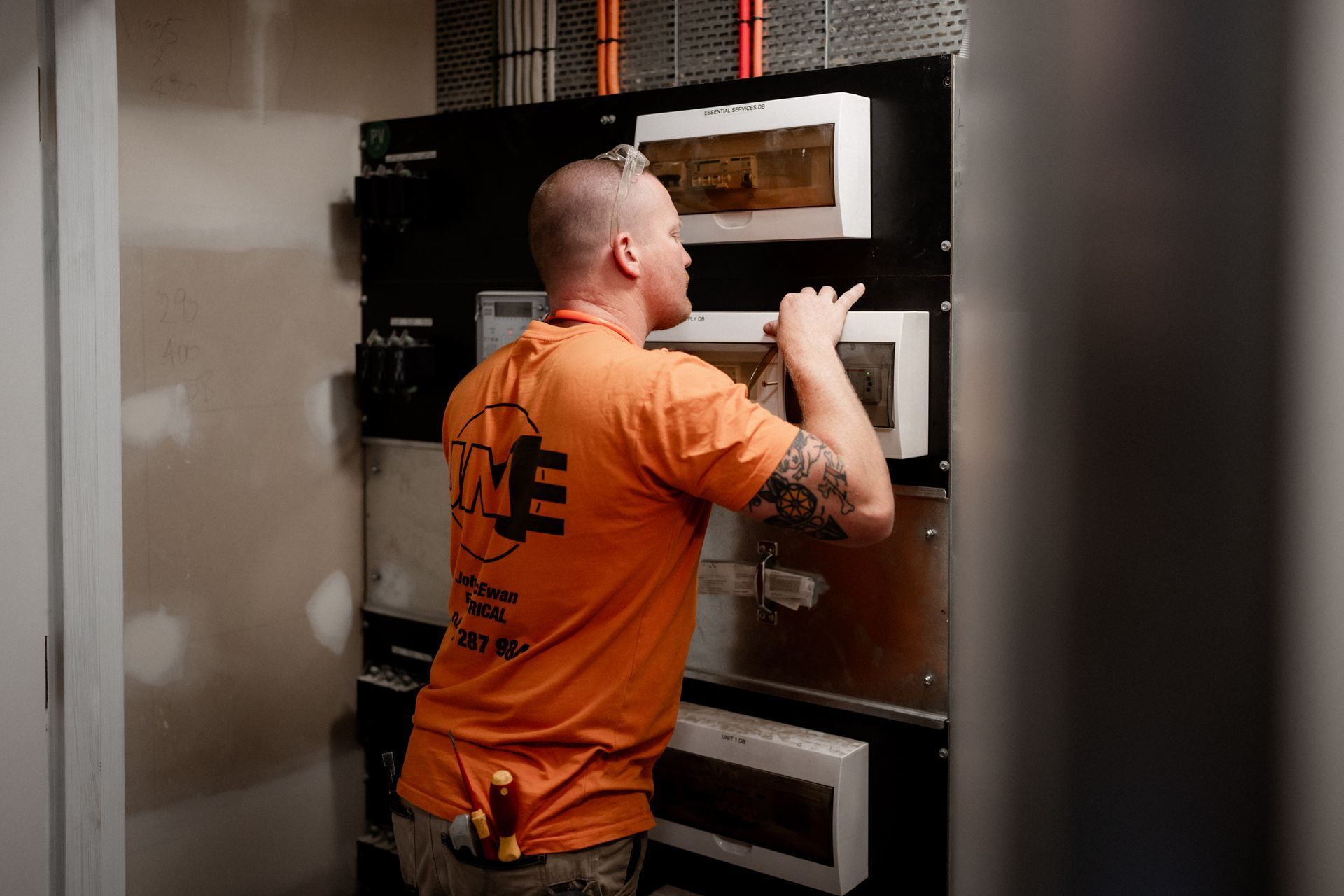
A licensed electrician in Shellharbour will assess your current infrastructure and identify the safest way to integrate new additions. This prevents issues like overloaded circuits or unexpected tripping from becoming an ongoing nuisance.
Things often reviewed during this stage include:
- The age & condition of your existing wiring
- Whether the switchboard can handle additional demand
- The type of circuits already in place
- Any early signs of deterioration that may affect future upgrades
Understanding these factors early creates a smoother path for new electrical wiring or upgrades later.
2. Planning Power Point Placement for Everyday Convenience
Power points are one of the most commonly requested improvements in homes. Poorly positioned outlets can create dangerous workarounds like overloaded power boards, tangled cords or running appliances from a single wall socket.
Thoughtful planning ensures your power points fit the way you actually use each space.
Considerations may include:
- Locations where you routinely rely on extension cords
- Areas intended for future appliances or furniture changes
- Placement that supports safety & reduces clutter
- Upgrading to modern outlets that include USB or surge protection
Strategic placement combined with compliant installation can transform the practicality of a room.
3. Making Lighting Choices That Suit Each Room’s Purpose
Lighting affects more than visibility. It shapes how a room feels, how well you can complete tasks and how comfortable the space is to use. Whether you’re updating old fittings or adding new lighting altogether, it’s worth exploring the wide range of options now available.
A professional can guide you through energy-efficient alternatives, modern designs and suitable brightness levels for different activities.
Important lighting considerations include:
- The balance between general lighting, task lighting & accent lighting
- How natural light interacts with artificial options
- Whether dimmers or smart controls would enhance versatility
- The safety requirements of lighting in wet areas or outdoor spaces
Choosing lighting based on function ensures the final result looks intentional rather than improvised.
4. Preparing for Data Cabling in a Connected Home
Modern households rely on stable internet for work, entertainment and communication. Wi-Fi alone can struggle when walls, distance or multiple devices interrupt the signal. Hardwired data cabling offers more reliability and speed.
Installing structured cabling requires careful routing through walls, ceilings or existing conduits, which makes professional planning essential.
Key factors typically include:
- Identifying the best central location for network equipment
- Determining how many data points are needed around the home
- Ensuring cabling is high-quality & rated for long-term performance
- Keeping cables organised to prevent interference with electrical lines
Data cabling is one of those upgrades you don’t notice day-to-day, yet its absence is instantly felt when the connection isn’t consistent.
5. Understanding the Role of Compliance & Safety Standards
Australian electrical regulations exist for a reason: electrical work carries risk, and proper standards safeguard both people and property. Even small installations must comply with strict guidelines to ensure they remain safe over time.
Licensed electricians in Shellharbour are required to work within these standards and provide documentation where necessary. This ensures your home remains covered by insurance, and the work won’t compromise future renovations.
Compliance typically covers:
- Safe installation of wiring & fittings
- Separation of electrical & data cabling
- Proper circuit protection
- Use of approved materials across all electrical upgrades
Choosing compliance-focused electrical services in Shellharbour provides long-term peace of mind.
6. How Electrical Upgrades Can Improve Home Efficiency
Electrical improvements aren’t only about convenience. Many upgrades can help a home operate more efficiently, reducing energy use and supporting better performance from appliances and lighting.
Modern fittings are designed with both safety and sustainability in mind, and upgrading older systems can create noticeable improvements.
Efficiency gains often come from:
- Replacing outdated lighting with energy-saving alternatives
- Installing outlets in places that reduce reliance on energy-draining multi-boards
- Using new data cabling to support smart technology
- Ensuring wiring is modern & free from faults that cause unnecessary power loss
Thoughtful upgrades can make your home more comfortable while supporting smarter energy habits.
7. Factors That Affect the Cost of New Electrical Work
Homeowners often assume that adding a new outlet or light fitting has a flat cost, but the details of each installation can vary. Understanding what influences the price helps you plan without surprises.
Common cost factors include:
- The accessibility of walls or ceilings
- Whether additional wiring needs to be run
- Upgrades required to safely support the new installation
- The type and quantity of fittings selected
A clear quote based on an on-site assessment will paint the most accurate picture of the investment involved.
8. Why Professional Installation Protects Your Home Long Term
DIY electrical work is not only unsafe, it is illegal without proper licensing. Professional installation ensures the job is completed correctly the first time, reducing the risk of faults or hazards appearing later.
Experienced electricians understand how each component interacts within the broader electrical system. They can also identify issues that may not be immediately visible but could affect the safety or performance of future upgrades.
Professional support offers:
- Correct installation of power points, lighting & data cabling
- Laboratory-tested materials suited for Australian conditions
- Early detection of ageing wiring or loose connections
- Recommendations tailored to your home & lifestyle
Reliable electrical work is an investment that supports the long-term safety and functionality of your property.
Get in Touch
At John McEwan Electrical, we provide electrical services in Shellharbour that support safer, more reliable homes. If you’re planning new power points, lighting or data cabling, our team can assess your property, discuss the best options and complete the work to a professional standard. Local homes often require careful planning due to varied building ages, renovation styles and differing electrical layouts, and we work with these conditions every day.
Visit our website to
get started or arrange a time for us to take a look at your next upgrade.